[English] - [Cymraeg]
Behind every case that comes through our criminal courts is a person. They could be a witness who must relive a frightening experience to give their evidence. Sometimes it's a member of the public serving on a jury. And sometimes it's someone who, for reasons of disability or vulnerability, needs the system to adapt a little so that they can take part fully and fairly.
Making this possible is something we care deeply about. In this blog, we explore the real, practical progress made this year: making better use of technology to support vulnerable witnesses, assisting deaf jurors, and making a small change of phrase that's made a big difference to some court users.
Section 28: pre-recorded evidence for vulnerable witnesses
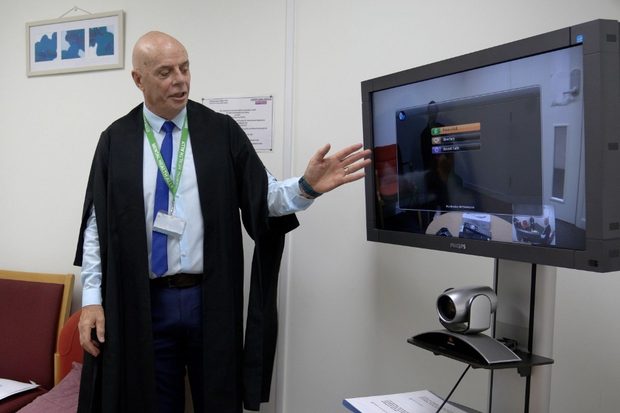
For a vulnerable witness, giving evidence in a criminal trial can be daunting, particularly in cases involving serious or sexual offences. The Youth Justice and Criminal Evidence Act 1999 allows witnesses to use special measures to give their evidence, with judicial approval. Evidence can be given in court from behind a screen, using a link into the court or in private.
Evidence can also be recorded and then played back in court. One of the most significant advances in recent years has been the move to an in-house system for recording evidence. Previously delivered through an external provider, the digital Pre-Recorded Evidence (PRE) platform means vulnerable witnesses can have their cross-examination captured in advance of the trial vat witness suits or at specialist locations they may already be familiar with, such as Sexual Assault Referral Centres (SARCs).
The service also now supports recordings from abroad, where a judge authorises it. We've already used this to record evidence from a child in America and a witness in New Zealand, meaning neither needed to travel or wait until they were next in the UK. Capturing evidence while it's still fresh also improves its quality.
This support extends to people facing serious ill health, where bespoke remote recordings can be arranged to allow them to give evidence in places such as care settings. For witnesses who are terminally ill or living with conditions such as Alzheimer's, this flexibility can be vital, as waiting for a court date could affect the quality of their evidence, or their ability to give it at all.
The latest available statistics show that in 2024, more than 2,200 witnesses pre-recorded their evidence, sparing them the potential distress of attending court and being in the same room as the suspect.
Deaf jurors: a growing number supported through jury service
Jury service is a civic duty that shouldn't be closed off to anyone because of their hearing. Following changes to the Police, Crime, Sentencing and Courts Act, British Sign Language (BSL) interpreters can now enter the jury deliberation room, allowing deaf jurors who use BSL to serve in the same way as anyone else.
Since that change came into effect in June 2022, 110 deaf jurors have been supported by BSL interpreters.
For those individuals, this change means being able to fulfil a civic responsibility that had previously been out of reach. It also matters for the justice system as a whole: a jury that excludes people because of how they communicate is a less representative one, and every deaf juror who takes part strengthens the principle that justice should be accessible to everyone.
This also shows how legislative change and practical delivery work together. The law created the opportunity, but making it real has depended on getting the details right, from courtroom layout to how interpreters and jurors work together during deliberations.
"All rise, if able": a small change with a big impact
In May 2025, HMCTS changed one of the most recognisable phrases in the English legal system: "all rise" became "all rise, if able."
The change came about after two cases in the Court of Appeal Civil Division, where the adapted phrase was used to accommodate disabled court users present in the room. On both occasions, the modified phrase was warmly received, prompting us to roll it out across all courts and tribunals, regardless of whether someone with a visible disability is in the room that day. This phrase is being heard more frequently in our courts, boosting inclusivity and helping to ensure that more users than ever before feel represented.
Our Annual Report sets out the wider work we are doing to support court users who may need additional help, including those who require a sunflower lanyard for hidden disabilities.
Find out more
There is more to be done to keep improving accessibility across courts and tribunals and this remains a firm commitment.
To find out more about the work we are doing in this area, you can listen to our podcast. You can also read our blog on supporting deaf jurors.
[English] - [Cymraeg]
Cefnogi pobl agored i niwed yn y llysoedd troseddol: lle rydym ni nawr
Y tu ôl i bob achos sy'n dod drwy ein llysoedd troseddol mae person. Gallant fod yn dyst y mae'n rhaid iddynt ail-fyw profiad brawychus er mwyn rhoi eu tystiolaeth. Weithiau maent yn aelod o'r cyhoedd yn gwasanaethu ar reithgor. Ac weithiau maent yn rhywun sydd, am resymau anabledd neu agored i niwed, angen i'r system addasu ychydig fel y gallant gymryd rhan yn llawn ac yn deg.
Mae gwneud hyn yn bosib yn rhywbeth sy'n bwysig iawn i ni. Yn y blog hwn, rydym yn archwilio'r cynnydd ymarferol, gwirioneddol a wnaed eleni: gwneud defnydd gwell o dechnoleg i gefnogi tystion agored i niwed, cynorthwyo rheithwyr byddar, a gwneud newid bach mewn ymadrodd sydd wedi gwneud gwahaniaeth mawr i rai defnyddwyr llys.
Adran 28: tystiolaeth wedi'i recordio ymlaen llaw ar gyfer tystion agored i niwed
Ar gyfer tyst agored i niwed, gall rhoi tystiolaeth mewn achos troseddol fod yn frawychus, yn enwedig mewn achosion sy'n ymwneud â throseddau difrifol neu rywiol. Mae Deddf Cyfiawnder Ieuenctid a Thystiolaeth Droseddol 1999 yn caniatáu i dystion ddefnyddio mesurau arbennig i roi eu tystiolaeth, gyda chymeradwyaeth farnwrol. Gellir rhoi tystiolaeth yn y llys o du ôl i sgrin, gan ddefnyddio dolen i'r llys, neu yn breifat.
Gellir recordio tystiolaeth hefyd ac yna ei chwarae yn ôl yn y llys. Un o'r datblygiadau mwyaf arwyddocaol yn ystod y blynyddoedd diwethaf fu'r symud i system fewnol ar gyfer recordio tystiolaeth. Yn flaenorol yn cael ei ddarparu trwy ddarparwr allanol, mae'r platfform digidol Tystiolaeth wedi'i Recordio Ymlaen Llaw (PRE) yn golygu y gall tystion agored i niwed gael eu croesholi wedi'i recordio cyn yr achos mewn ystafell tystion neu mewn lleoliadau arbenigol y gallant fod yn gyfarwydd â nhw eisoes, fel Canolfannau Atgyfeirio Ymosodiadau Rhywiol (SARCs).
Mae'r gwasanaeth hefyd bellach yn cefnogi recordiadau o dramor, lle mae barnwr yn ei awdurdodi. Rydym eisoes wedi defnyddio hyn i recordio tystiolaeth gan blentyn yn America a thyst yn Seland Newydd, sy'n golygu nad oedd angen i'r naill na'r llall deithio na aros nes eu bod nhw yn y DU nesaf. Mae casglu tystiolaeth tra ei bod dal yn ffres hefyd yn gwella ei hansawdd.
Mae'r gefnogaeth hon yn ymestyn i bobl sy'n wynebu afiechyd difrifol, lle gellir trefnu recordiadau o bell pwrpasol i ganiatáu iddynt roi tystiolaeth mewn mannau fel lleoliadau gofal. Ar gyfer tystion sy'n derfynol wael neu'n byw gyda chyflyrau fel clefyd Alzheimer, gall yr hyblygrwydd hwn fod yn hanfodol, gan y gallai aros am ddyddiad llys effeithio ar ansawdd eu tystiolaeth, neu eu gallu i'w rhoi o gwbl.
Mae'r ystadegau diweddaraf sydd ar gael yn dangos, yn 2024, fod mwy na 2,200 o dystion wedi recordio eu tystiolaeth ymlaen llaw, gan osgoi y gofid posibl o fynychu'r llys a bod yn yr un ystafell â'r sawl a ddrwgdybir.
Rheithwyr byddar: nifer gynyddol yn cael eu cefnogi trwy wasanaeth rheithgor
Mae gwasanaeth rheithgor yn ddyletswydd ddinesig na ddylid eithrio unrhyw un oherwydd eu clyw. Yn dilyn newidiadau i Ddeddf yr Heddlu, Troseddu, Dedfrydu a'r Llysoedd, gall dehonglwyr Iaith Arwyddion Prydain (BSL) bellach fynd i mewn i ystafell drafod y rheithgor, gan ganiatáu i reithwyr byddar sy'n defnyddio BSL wasanaethu yn yr un ffordd ag unrhyw un arall.
Ers i'r newid hwnnw ddod i rym ym mis Mehefin 2022, mae 110 o reithwyr byddar wedi cael eu cefnogi gan ddehonglwyr BSL
I'r unigolion hynny, mae'r newid hwn yn golygu gallu cyflawni cyfrifoldeb dinesig a oedd allan o gyrraedd o'r blaen. Mae hefyd yn bwysig i'r system gyfiawnder gyfan: mae rheithgor sy'n eithrio pobl oherwydd sut maen nhw'n cyfathrebu yn un llai cynrychioliadol, ac mae pob rheithiwr byddar sy'n cymryd rhan yn cryfhau'r egwyddor y dylai cyfiawnder fod yn hygyrch i bawb.
Mae hyn hefyd yn dangos sut mae newid deddfwriaethol a chyflawni ymarferol yn gweithio gyda'i gilydd. Creodd y ddeddf y cyfle, ond mae ei wireddu wedi dibynnu ar gael y manylion yn iawn, o gynllun yr ystafell llys i sut mae dehonglwyr a rheithwyr yn cydweithio yn ystod trafodaethau.
"Pawb i sefyll, os y gallwch" newid bach gydag effaith fawr
Ym mis Mai 2025, newidiodd GLlTEF un o'r ymadroddion mwyaf adnabyddus yn system gyfreithiol Lloegr: gyda "pawb i sefyll" yn mynd yn "pawb i sefyll, os y gallwch."
Daeth y newid i fodolaeth ar ôl dau achos yn Adran Sifil y Llys Apêl, lle defnyddiwyd yr ymadrodd wedi'i addasu i ddarparu ar gyfer defnyddwyr llys anabl a oedd yn bresennol yn yr ystafell. Ar y ddau achlysur, cafodd yr ymadrodd wedi'i addasu groeso cynnes, gan ein hannog i'w gyflwyno ar draws pob llys a thribiwnlys, waeth a oes rhywun ag anabledd gweladwy yn yr ystafell y diwrnod hwnnw. Mae'r ymadrodd hwn yn cael ei glywed yn amlach yn ein llysoedd, gan hybu cynhwysiant a helpu i sicrhau bod mwy o ddefnyddwyr nag erioed o'r blaen yn teimlo eu bod yn cael eu cynrychioli.
Mae ein Hadroddiad Blynyddol yn nodi'r gwaith ehangach rydym yn ei wneud i gefnogi defnyddwyr llys a allai fod angen cymorth ychwanegol, gan gynnwys y rhai sydd angen laniard blodyn yr haul ar gyfer anableddau cudd.
Rhagor o wybodaeth
Mae mwy i'w wneud i barhau i wella hygyrchedd ar draws llysoedd a thribiwnlysoedd ac mae hyn yn parhau i fod yn ymrwymiad cadarn.
I gael gwybod mwy am y gwaith rydym yn ei wneud yn y maes hwn, gallwch wrando ar ein podlediad.
Recent Comments